Vintage Christmas Backgrounds: A Designer's Real-World Review
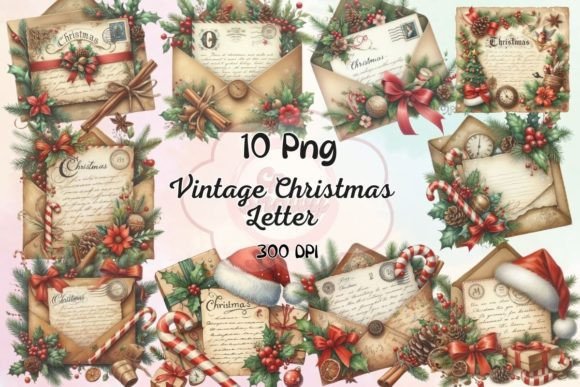
When I first opened the Vintage Christmas Backgrounds file, my immediate reaction wasn't about stitch counts or file formats. It was about the mood. There is a specific kind of nostalgia that this design captures perfectly—the feeling of stepping into a cozy, slightly faded holiday memory. As an experienced designer who reviews embroidery assets for real projects, I don't just look at the pixels; I visualize the finished product on fabric. How does it sit on a tote bag? Does it hold up on a textured sweatshirt? Will it feel authentic to a customer buying a handmade gift?
This review focuses on how Vintage Christmas Backgrounds performs in actual production scenarios, from small business merchandise to personalized gifts. I am looking at this not as a generic digital asset, but as a tool for creating tangible value.
The First Impression: Mood and Visual Personality
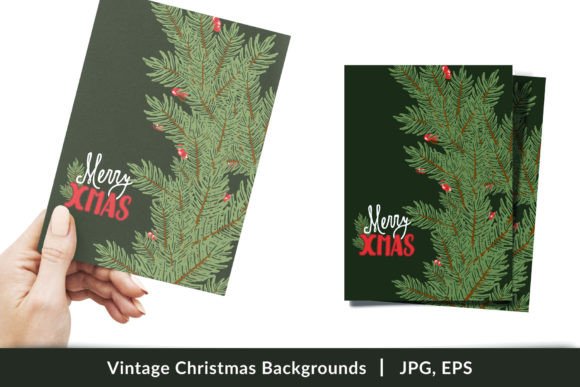
The term Illustrations feels almost too simple to describe what we are dealing with here. This isn't just a flat graphic; it carries a texture and a history. The design evokes a classic, perhaps early-to-mid 20th-century aesthetic, which is currently trending heavily in the craft community. For a boutique owner or an Etsy seller, this visual personality is gold. It signals quality, tradition, and warmth without needing to scream "Christmas" with loud neon colors.
In terms of layout, the background elements seem designed to frame a central motif rather than overpower it. This is crucial for embroidery because the human eye needs a focal point. Whether you are planning a custom apparel piece or a home decor item like a pillow cover, the balance suggests that this design will integrate well with text or smaller character elements. It creates a stage for your other creative choices.
Real-World Application: From Screen to Stitch
Let's imagine a concrete scenario. You are preparing a batch of custom embroidered tote bags for a local holiday market. You want something that stands out but doesn't look mass-produced. You decide to use Vintage Christmas Backgrounds as the backdrop for a monogrammed name or a small vintage ornament icon.
Here is where the practical judgment comes in. On a canvas tote bag, the design needs to have enough definition to be seen through the weave of the fabric. If the background consists of fine lines, they might get lost on a rougher canvas unless the stitch density is adjusted. However, if the design utilizes a mix of satin stitches for outlines and fill stitches for shading, it could create a beautiful relief effect against the sturdy fabric. The vintage theme pairs exceptionally well with natural fibers like linen or heavy cotton, enhancing the rustic charm of the final product.
Consider another use case: baby clothes. Holiday onesies or baby blankets often require softer aesthetics. A vintage background can add a touch of elegance to a nursery decor set. When stitched onto a soft fleece or jersey knit, the design must handle the stretch of the fabric. This is where the choice of stabilizer becomes critical. Without proper support, those vintage details could pucker, ruining the delicate look you are aiming for. But done right, a personalized gift featuring this design would feel heirloom-quality, something a parent would cherish.
I also see potential in kitchen textiles. An apron or tea towel with this background could serve as a unique holiday gift. The vintage style fits perfectly in a farmhouse kitchen setting. When customers see a finished product with a cohesive, well-executed background, their trust in the brand increases. It tells them that the maker cares about the details, not just the speed of production.
Where to Exercise Caution
While the design has strong appeal, it is not a universal fit. There are specific situations where Vintage Christmas Backgrounds might struggle. One major concern is small hoop sizes. If you attempt to stitch this on a tiny patch or a very small area of a cap, the intricate details of the vintage pattern may become muddy. The eye needs space to appreciate the nuance of the illustration. If the design is too dense for the available stitching area, it will look like a blob rather than a detailed background.
Fabric texture is another factor. While it works beautifully on smooth cottons, applying it to highly textured fabrics like chunky knits or bouclé can hide the design entirely. The uneven surface makes it difficult for the needle to penetrate consistently, leading to skipped stitches or thread breaks. Similarly, thin fabrics require careful handling. If the fabric is too light, the weight of the embroidery threads might cause it to tear or warp over time, especially if the design includes large areas of fill stitch.
Dark fabrics present a different challenge. Vintage designs often rely on contrast to pop. If you are working with dark navy or black fabric, you need to ensure your thread selection provides sufficient brightness. A low-contrast palette might result in a design that looks dull or muddy after stitching. Additionally, curved surfaces like caps can distort the perspective of a background design. What looks balanced on a flat screen might appear stretched or compressed when wrapped around a curve. Testing on scrap fabric is non-negotiable here.
Impact on Product Value and Branding
For those running a craft business or selling on platforms like Etsy, the visual appeal of your product directly influences sales. A well-executed embroidery project using a high-quality background design elevates the perceived value of the item. Customers are willing to pay more for items that look professional and thoughtfully designed. Vintage Christmas Backgrounds, when used correctly, adds a layer of sophistication that separates a handmade item from a generic print.
It also aids in brand consistency. If your shop specializes in retro or vintage-inspired goods, incorporating this background into your marketing materials, such as printable mockups or digital previews, reinforces your brand identity. It creates a cohesive story. When a buyer sees the same aesthetic in your product photos and the actual item, it builds confidence and encourages repeat purchases. Furthermore, the nostalgic vibe of the design makes it highly giftable, expanding your potential customer base during the holiday season.
Practical Designer Notes for Success
Before you hit the "start" button on your machine, there are several steps every professional should take. First, always test the design on scrap fabric. This allows you to check the thread color contrast and ensure the stitch density is appropriate for your material. You might find that reducing the density slightly prevents puckering without sacrificing detail.
Review the hoop size requirements carefully. Ensure your design fits within your machine's capabilities and the dimensions of your product. Inspect small details in the digital preview; sometimes, tiny elements that look fine on a screen can get lost in the stitching process. It is also wise to convert the design to black and white in your editing software to verify that the composition holds up without the distraction of color.
Don't forget to compare how the design looks on both light and dark fabric backgrounds before committing to a full production run. Use the proper stabilizer for your fabric type—cut-away for stability on stretchy materials, and tear-away for stable wovens. Finally, confirm the licensing terms. Are you allowed to sell finished products made with this design? Is it suitable for commercial use? These legalities are as important as the technical execution.
If you are looking for a versatile asset that brings warmth and character to your work, Vintage Christmas Backgrounds is a strong contender. Just remember that the success of any machine embroidery design lies in the preparation and the understanding of how the threads interact with the fabric. By treating this design with respect and testing it thoroughly, you can create stunning finished products that delight customers and elevate your craft business.