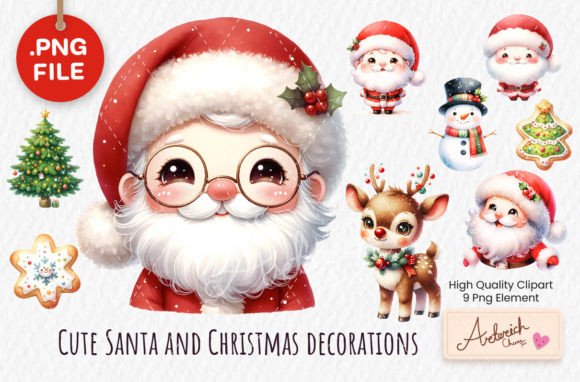
Santa Claus Character on Christmas Embroidery Review
As a designer who has spent years evaluating digital assets for real-world production, I approach every new file with a mix of excitement and skepticism. When Santa Claus Character on Christmas landed in my inbox, I didn't just see a holiday graphic; I saw a potential centerpiece for a busy season of custom orders. The market is flooded with generic snowflakes and reindeer, but a well-executed character design can elevate a simple tote bag or a baby onesie into a premium handmade product. This review breaks down exactly how this design performs when it moves from the screen to the needle.
The First Impression: Mood and Visual Personality
The immediate feeling that Santa Claus Character on Christmas evokes is one of nostalgic warmth. Unlike many modern, flat vector illustrations that look sterile under the light of an embroidery machine, this piece suggests depth and texture. The layout feels balanced, avoiding the cluttered look that often plagues holiday designs. It doesn't scream for attention so much as it invites you in, making it perfect for boutique branding where subtlety sells better than noise.
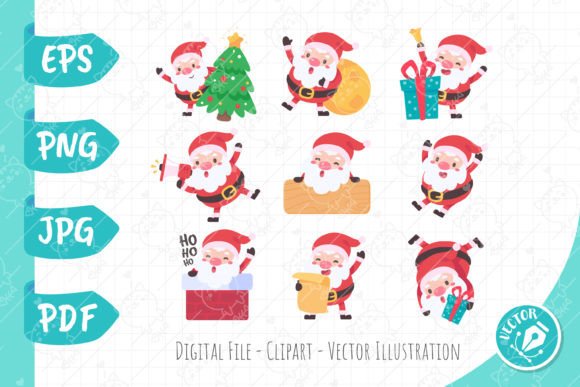
From a visual standpoint, the character's shape is distinct. The curves of the suit and the definition of the beard translate well to thread. There is a clear distinction between the main body and the accent details, which is crucial for maintaining clarity after stitching. For a small business owner or an Etsy seller, this kind of design personality is gold because it immediately communicates quality. It feels like something you would want to unwrap yourself, rather than just another mass-produced item found in a discount bin.
Real-World Application: From Screen to Stitch
I recently put Santa Claus Character on Christmas through its paces by testing it on a custom embroidered tote bag project intended for a local craft fair. The goal was to create a reusable gift bag that felt personal yet professional. The design fit perfectly within the standard hoop size, allowing me to center it without worrying about awkward cropping. When stitched onto a heavy canvas fabric, the satin stitches held their shape beautifully, creating a raised, tactile surface that customers love to touch.
This design is not limited to bags. Imagine applying it to a soft sweatshirt for a family holiday gathering. The fill stitch density appears sufficient to cover the fabric completely without showing the weave underneath, even on darker backgrounds. For those selling personalized gifts, the clean lines allow for easy customization. You could add a name above or below the character without disrupting the visual flow. It works equally well on baby clothes, where the softer edges are gentler on sensitive skin compared to rougher, more jagged designs.
I also considered using this as an embroidered patch for denim jackets or aprons. The outline is strong enough to hold up against frequent washing, which is a common requirement for kitchen towels and workwear. However, if you are planning to use this for commercial embroidery projects, you need to ensure the file format supports the specific stabilizer requirements of your machine. A good digital embroidery file should anticipate the tension needed for these dense areas.
Where Caution is Required
While the design is versatile, there are specific scenarios where Santa Claus Character on Christmas requires careful handling. If you are working with small hoop sizes, such as those used for caps or hat panels, the detail level might become too crowded. Tiny elements can get lost in the stitching process, resulting in a muddy appearance that ruins the character's expression. Always test the design at the actual scale before committing to a full production run.
Textured fabrics present another challenge. While the design looks great on smooth cotton or linen, trying to stitch it onto a thick, looped terry cloth towel or a chunky knit sweater might cause the stitches to sink or distort. Similarly, stretchy fabrics like jersey require a high-quality stabilizer to prevent puckering. If the fabric stretches during the embroidery process, the character could end up looking warped, which is a disaster for a finished product meant to be sold as high-end.
Dense stitch areas are also worth noting. If the design relies heavily on fill stitches for shading, it may feel stiff on thin fabrics like silk or lightweight polyester blends. In these cases, the garment loses its drape, and the wearer might find it uncomfortable. Additionally, if you plan to layer this design over other graphics or text, ensure there is enough negative space around the character to avoid a chaotic final look.
Impact on Product Value and Customer Trust
In the world of handmade products, the difference between a mediocre finish and a professional one often comes down to design choice. Santa Claus Character on Christmas contributes significantly to perceived value. When a customer sees a crisp, well-defined character on a pillow cover or a tea towel, they associate that clarity with care and expertise. This builds trust and encourages repeat business.
For an Etsy seller, the visual appeal of the design directly influences buyer engagement. High-quality mockups featuring this design can help your listing stand out in search results. The festive theme resonates with buyers looking for unique holiday gifts, and the professional execution suggests that the item inside the packaging will be just as polished. It transforms a basic commodity into a keepsake.
However, brand consistency is key. If you pair this detailed character design with poorly executed lettering or mismatched thread colors, the overall effect suffers. The design assets must be treated as part of a cohesive system. Using the right thread colors to match the character's traditional palette ensures recognition and maintains the integrity of the image.
Practical Designer Notes for Success
Before you start stitching, there are several technical steps you must take to ensure success. First, always test the machine embroidery design on scrap fabric that matches your final material. This allows you to check the thread color contrast and inspect small details that might disappear in the final stitch. Review the stitch density carefully; if it is too high, you risk breaking needles or damaging the fabric.
Confirm the hoop size early in the process. Some designs require larger hoops to accommodate the full composition, while others can be split. Inspect the design in black and white mockups to ensure the contrast holds up without relying on color alone. Compare how it looks on both light and dark fabric backgrounds, as some colors may need to be adjusted for visibility.
Use proper stabilizer to support the fabric during the stitching phase. Whether you are working on a cap, a sweatshirt, or a baby item, the right backing prevents distortion. Finally, verify whether the design works for both personal and commercial projects. Check the licensing terms before selling finished items or distributing the digital product. Many designers overlook this step, leading to legal issues down the line.
If exact stitch counts, file formats, or machine compatibility details are not provided with the download, do not assume they are universal. Contact the creator or check the documentation thoroughly. A reliable embroidery file should come with clear instructions to help you achieve the best result. By following these guidelines, you can turn Santa Claus Character on Christmas into a standout piece for your next holiday collection.