Christmas Vintage Junk Journal Pages: Premium Illustrations for Branding
As a brand designer and content marketer, I have spent years evaluating the subtle nuances that separate a forgettable campaign from one that resonates deeply with an audience. Recently, I had the opportunity to review a specific graphic design asset known as Christmas Vintage Junk Journal Pages. My goal was to determine if this collection of Illustrations could genuinely elevate a seasonal marketing push without compromising professional standards. The verdict? It is a versatile tool that bridges the gap between cozy nostalgia and high-end commercial appeal.
The First Impression: Mood and Emotional Resonance
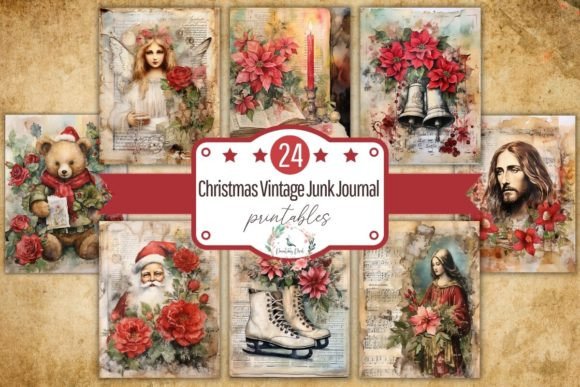
When you first open a bundle of vintage-style assets, the immediate question is always about tone. Does it feel cluttered, or does it feel curated? Christmas Vintage Junk Journal Pages strikes a delicate balance. It evokes a sense of warmth, history, and handmade authenticity. In a digital landscape saturated with sterile, minimalist vector art, this asset offers a tactile quality that feels personal and inviting.
This mood is crucial for specific niches. If you are launching a line of artisanal soaps, selling handmade ornaments, or promoting a cozy lifestyle blog, these visuals create an instant emotional connection. They signal to the viewer that the brand values tradition and care. However, I must note that this aesthetic is not universally applicable. It leans heavily towards casual branding, boutique retail, and creative entrepreneurship. It might feel out of place in a corporate tech launch or a sleek fintech advertisement where clean lines and modern geometry are preferred.
Integrating into Real Marketing Workflows
To truly understand the value of this asset, imagine a scenario: A small business owner is preparing for a holiday product launch. They need to refresh their social media, design packaging inserts, and create a lead magnet for their email list. This is where Christmas Vintage Junk Journal Pages becomes indispensable.
Instead of piecing together disparate clipart elements, this design bundle provides a cohesive visual language. You can use the textured backgrounds to frame your product photography, turning a simple shot of a candle into a scene-stealing editorial graphic. For social media managers, these pages serve as perfect backdrops for Instagram posts or Pinterest pins, allowing text overlays to pop while maintaining a festive atmosphere.
- Packaging Design: Use the patterns as accents on gift tags or wrapping paper to add a layer of sophistication.
- Digital Ads: Incorporate the vintage elements into Facebook ads to slow down the scroll and invite engagement.
- Content Marketing: Create branded templates for blog headers or newsletter banners that feel consistent yet unique.
Strategic Applications Across Media Channels
The versatility of these Illustrations extends far beyond just static images. They function effectively across a wide spectrum of marketing channels. When used correctly, they enhance visual hierarchy, guiding the user's eye to the most important information without overwhelming the message.
In brand identity work, these assets can be deconstructed to create custom logos or watermarks that hint at a brand's heritage. For product labels, they provide a rustic charm that suggests organic ingredients or handcrafted quality. In the realm of web design, they can soften the look of a website header, making a site feel more approachable and less like a faceless corporation.
I also found them highly effective for creating lead magnets and media kits. A PDF guide designed with these vintage textures will stand out in a crowded inbox, increasing open rates and download numbers. Furthermore, for those using tools like Canva, these files integrate seamlessly as part of a larger Canva template library, saving hours of design time for busy entrepreneurs.
Where the Asset Shines Brightest
Certain applications allow Christmas Vintage Junk Journal Pages to truly sing. These assets excel when used as hero graphics for campaign launches or as decorative elements in editorial layouts. They are particularly powerful in content bundles where you want to sell a cohesive set of resources, such as a "Holiday Planner" or a "Gift Guide."
For printable promotions and event flyers, the vintage texture adds a depth that flat colors simply cannot achieve. It gives the impression of a physical object, which increases perceived value. Additionally, when designing merchandise like stickers or tote bags, these illustrations offer a trendy, retro vibe that appeals strongly to younger demographics who appreciate upcycled aesthetics.
Navigating Limitations and Usage Boundaries
While the potential is vast, a professional designer knows that every asset has its limits. There are scenarios where Christmas Vintage Junk Journal Pages should be used with caution. If your brand relies on dense information layouts, such as complex data tables or technical manuals, the ornate nature of these designs might compete with the text, reducing readability.
Similarly, for formal corporate branding or overly minimal brands, the vintage aesthetic might clash with the desired image of efficiency and modernity. On mobile screens, where space is at a premium, intricate details can become muddy if the resolution is not high enough. Therefore, it is essential to test how the asset performs in small sizes before committing to a full campaign rollout.
Furthermore, avoid placing these assets on low-contrast backgrounds. The strength of the vintage look lies in its texture and shadow, which can disappear if the background is too busy or too light. Always ensure the main message remains the focal point, using these illustrations as support rather than the star of the show.
Practical Brand Designer Notes for Implementation
To get the most out of this commercial design asset, I recommend a rigorous testing phase. Start by overlaying the patterns with your existing brand color palette. Do the warm tones of the vintage design complement your primary colors, or do they fight for attention? Check the black and white usage to ensure the contrast holds up in print and on monochrome displays.
It is also vital to preview the asset inside real campaign mockups. Place the design into a smartphone frame or a printed flyer simulation to see how it translates to the final medium. Test readability in small sizes; if the fine details blur, consider simplifying the layout or using the asset only for larger formats.
Typography pairing is another critical factor. These vintage illustrations pair beautifully with serif fonts that evoke old newspapers or classic book printing. They can also work well with handwritten or script fonts to maintain the handmade theme. However, be careful when mixing them with display fonts that are too bold or modern, as this can create a jarring visual dissonance.
Finally, never overlook the legalities. Before using any digital product in paid campaigns or client work, confirm the commercial license. Ensure you have the right to modify the images and distribute them as part of your own products. Once you have cleared these checks, Christmas Vintage Junk Journal Pages becomes a reliable partner in your creative toolkit.
In conclusion, this asset is more than just a collection of pretty pictures; it is a strategic tool for building audience trust and fostering an emotional connection. By understanding where it fits and where it doesn't, you can leverage its unique charm to create memorable campaign visuals that stand out in a crowded market.